
This website is an apologetics 

Pursue Jesus and Transform Your Life

Have you ever wondered what it means to pursue Jesus? To live so closely connected to Him that His Love, Strength, and Wisdom flow into every area of your life? In a world that pulls us in many directions, Jesus offers us something better. He offers life rooted in Him where His Strength becomes our own, His Love fills our hearts, and His Wisdom guides our days. Pursuing Jesus is Bearing Fruit that Lasts, you’ll embark on a journey into the Heart of Jesus’ Call to remain in Him.

Pursuing Jesus means actively seeking a deeper relationship with Him through faith, prayer, studying the Bible, and engaging in acts of love and service. It's a consistent effort to grow in spiritual understanding and experience His grace and presence. 

Go After Jesus. Run after the Lord. Pursue Him Relentlessly!

.

Why Pursue Jesus? Because everyone needs Jesus. The Bible says, "All have sinned and come short of the glory of God." Romans 3:23 There is a consequence of sin. "The soul that sins shall die" Ezekiel 18:20. We all are going to die, but this death in Ezekiel 18:20 is talking about the second death, which is also called hell

What Does It Mean to Pursue Someone or to Pursue Something? It means to pursue or chase after someone. To follow (someone or something) to catch them
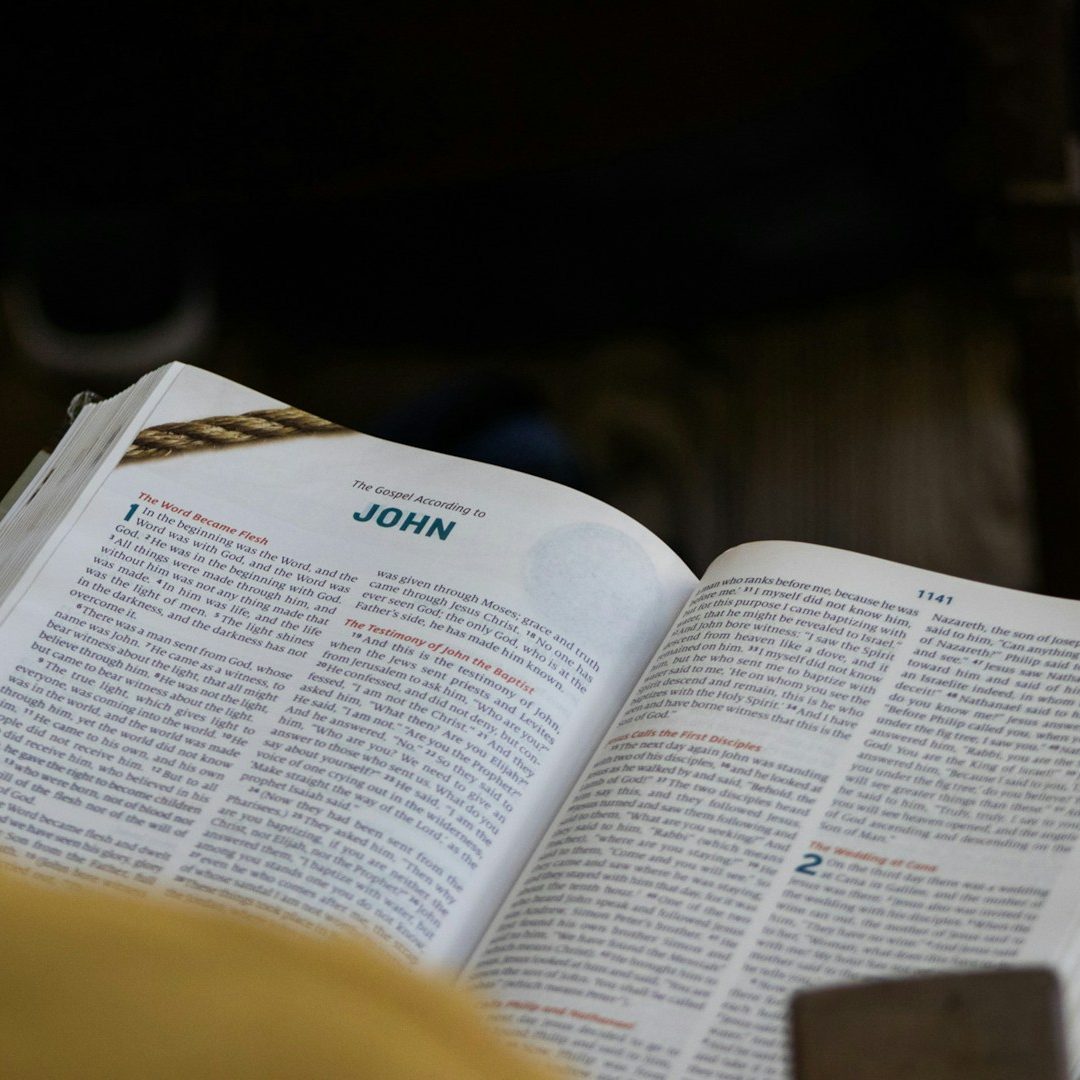
Highlights of Pursuing Jesus Relentlessly.

Pursuing Jesus is also pursuing goodness, which is a central tenet of Christian life, reflecting the character of God and the transformative work of the Holy Spirit in believers. Goodness, as a fruit of the Spirit (Galatians 5:22), is an intrinsic quality that manifests in moral integrity, kindness, and a commitment to righteousness. It is not merely an external adherence to rules but an internal disposition that seeks to emulate the holiness of God.

Biblical Foundation

The Bible consistently calls believers to pursue goodness as a reflection of God's nature. In Micah 6:8, the prophet declares, "He has shown you, O man, what is good. And what does the LORD require of you but to act justly, to love mercy, and to walk humbly with your God?" This verse encapsulates the essence of goodness as an active pursuit of justice, mercy, and humility.

Pursuing goodness

In the New Testament, the Apostle Paul exhorts believers to "cling to what is good" (Romans 12:9) and to "overcome evil with good" (Romans 12:21). This call to action emphasizes the proactive nature of goodness, which involves not only avoiding evil but actively doing good.

Community Outreach Programs

Get involved in serving others and making a positive impact in our community.

Bible Translation

Empowering the next generation with faith-based teachings and activities.

A

Accepting Jesus

B

Bible Study

C

Christ Centered Life

1. Faith and Trust in Jesus :
Pursuing Jesus begins with trusting in Him for salvation and accepting His teachings. 

TRUST IN JESUS

Placing your faith and reliance on him for salvation and hope in the afterlife. It involves believing in his divinity, accepting his sacrifice for your sins, and committing your life to him. This trust is not blind faith but a confident reliance on his promises and his ability to save you. 

FAITH IN JESUS

Faith in Jesus Christ means believing that Jesus is the Son of God, trusting in His teachings, and accepting Him as our Savior and Redeemer. It involves a deep, personal commitment to Jesus, acknowledging his sacrifice for humanity, and actively following his commandments. This faith is not merely intellectual assent, but a dynamic, transformative trust that leads to a changed life and a restored relationship with God. 
Get in touch

I hereby agree that this data will be stored and processed for the purpose of establishing contact. I am aware that I can revoke my consent at any time.*

* Please fill in all the required fields.
Message was successfully sent


E-mail: mesheshadavid@gmail.com


Who is Jesus?

  • Before we can pursue Jesus, the God of the Bible, we need to examine the Bible itself. How do we know that we can trust what it says? That’s what we’ll cover in this lesson.
  • Ancient manuscripts and archeological digs have stacked up in favor of biblical reliability. The New Testament has more manuscript evidence than any other ancient work. 
  • The Bible contains 66 books written by 40 authors over the course of 1500 years, and yet it tells one unified story.
  • The Bible is ultimately about Jesus, and the changed lives of his followers is the most compelling proof of its message.
  • If you are willing to come to God on his terms and take him at his word, then Jesus promises that you’ll discover the truth. John 7:16-17

The Bible is the best-selling book of all time, and it’s unlike any other book written in history. It has changed individual lives and shaped entire cultures. It’s an ancient text that claims to have been written by God himself, and the proof of its reliability is surprisingly strong. Here are three reasons we can trust what it teaches:

Historical Evidence 

Ancient manuscripts and archeological digs have stacked up in favor of biblical reliability. The Bible was written thousands of years ago, long before printing presses and modern technology. Manuscript fragments of the biblical text have endured wars and weather throughout the ages, and the scraps that remain represent just a fraction of the originals. Are those remnants enough to provide a reliable testimony for modern-day readers? And how can we be sure that the message hasn’t been corrupted over the millennia? The good news is that the God who inspired the scriptures was also powerful enough to preserve those writings through the ages. 

Consider the manuscript evidence. Manuscript copies in the ancient world were painstakingly hand-written, and not all of them survived the ravages of time. Reliability of ancient writings is determined by the number of copies (or partial copies) of the work in existence. So how does the Bible stack up? See for yourself:

Today we have only 49 copies of Aristotle’s writings.

Homer’s “The Iliad” does a little better, with 643 copies in existence.

The New Testament wins by a landslide, with almost 5700 Greek copies and over 19,000 copies in other languages!

The New Testament clearly has more manuscript evidence than any other ancient work. But how do we know that those manuscript copies are faithful to the originals? What if human authors changed the message, intentionally or otherwise? Modern archeology helps us answer this question, thanks to the Dead Sea Scrolls. In 1947 a shepherd boy discovered some ancient scrolls hidden away in remote caves in the Middle East. This led to even more discoveries in the area, and in the end almost 1000 manuscripts were recovered. Parts of almost every book of the Old Testament were found, and some of those fragments proved to be almost 1000 years older than the oldest manuscripts known at the time. 

This offers a perfect test for the reliability of our modern translations. The book of Isaiah provides the most compelling example, since the Dead Sea Scrolls contained a complete copy of the prophet’s writings. When compared to the Masoretic Text (the oldest copy previously known, dating back to about 800 AD), the Isaiah manuscript from the Dead Sea Scrolls was 95% identical! And the only differences were minor, often just variations in spelling.

So the historical evidence stacks up in favor of the reliability of the Bible. But there’s more:

Textual Evidence 

The Bible is the most impressive writing project in the history of the world. It contains 66 books written by 40 different authors over the course of 1500 years, and yet it tells one unified story. Think about it: Moses, a Jewish slave raised in the house of a Pharaoh, wrote the first five books. John, a fisherman-turned-revolutionary, wrote the last four books. In between were books and letters written by shepherds, kings, prophets, tax collectors, doctors, and more. And the most prolific author in the New Testament was Paul – a religious Pharisee who zealously persecuted the Jesus followers before joining them. 

Most of these authors never met each other, and many of them were unaware of the other books and letters that would eventually be included in the Bible. Their writings spanned different cultures and languages over the course of 15 centuries, and yet the Bible amazingly reads as one story. From beginning to end it’s about Jesus, and the fulfilled prophecy is the glue that holds it together. Let’s take just a few examples: 

Of the 12 tribes of Israel, Judah was surprisingly predicted to be the one through which Jesus would come – which is exactly what happened. Genesis 49:10Matthew 1:1-3

It was prophesied that Jesus would be born in Bethlehem, and that’s how it happened – even though his mother didn’t even live there. Micah 5:2Luke 2:1,4

Prophets wrote with shocking accuracy about the torture and death of Jesus hundreds of years before it happened – exactly as predicted. Psalm 22, Isaiah 53

It was because of these kinds of prophecies that Jesus spoke these words to the religious leaders of his day:

John 5:39 You search the Scriptures because you think they give you eternal life. But the Scriptures point to me!

The Bible amazingly tells one story, centered on Jesus, because it was ultimately inspired by the God of human history.

Personal Evidence 

The Bible is ultimately about Jesus, and the changed lives of his followers is the most compelling proof of its message. Let’s just take three examples from the New Testament, starting with Peter. When Jesus was on trial before his crucifixion, a servant girl noticed Peter and accused him of being a follower of Jesus. Peter denied it three times, walking away with an incredible sense of guilt and shame (Luke 22:56-59). But that’s not the end of his story, because days later the resurrected Jesus sat down to breakfast with Peter and reinstated him – three times (John 21:15-19). Peter went on to be a pillar of the Christian church, eventually giving up his life for Jesus. 

Or consider “doubting” Thomas. He missed out on meeting the resurrected Jesus with the other disciples and expressed his doubt that they really saw the risen Christ. But soon enough he met Jesus for himself and professed his faith in him (John 20:25-28). Thomas, too, ended up dying for his faith. 

And then there’s Paul, a self-righteous Pharisee (Philippians 3:5) whose life mission was to persecute the followers of Jesus. Then he met Jesus and joined that very group of misfit disciples. Paul made it his life’s mission to spread the Good News about Jesus and he, too, died a martyr’s death. 

There’s no way to explain away these changed lives except to conclude that the message about Jesus, along with every word in the Bible, truly is inspired by God.

But no amount of evidence can overcome an unbelieving attitude. At the end of the day, trusting the reliability of the Bible comes down to your willingness to believe in the God behind the Bible. Jesus made this point one day as he taught in the Temple courts:

John 7:16-17 My message is not my own; it comes from God who sent me. Anyone who wants to do the will of God will know whether my teaching is from God or is merely my own.

If you’re unwilling to submit to God’s will, your pursuit is over before it has even started. But if you are willing to come to God on his terms and take him at his word, then Jesus promises that you’ll discover the truth. The teachings of Jesus, and indeed all of the teachings in the Bible, are from God, not man. And so we can trust the Bible in our pursuit of God.

Did Jesus Always Have a Physical Body?


The Bible teaches that Jesus did not always have a physical body, but he will have one for all eternity. Before his birth in Bethlehem, Jesus existed as the eternal, spiritual Word of God without a human form. However, through the Incarnation, he took on human flesh to save us. After his resurrection, Jesus kept his physical body, which means he remains both fully God and fully man in heaven today.

The Eternal Preexistence of the Son of God

To understand if Jesus always had a physical body, we have to look back before the world began. The Bible is clear that Jesus existed long before he was born to Mary. In the Gospel of John, he is referred to as “the Word.” In this preexistent state, Jesus was spirit. He shared in the glory of the Father and the Holy Spirit as the second person of the Trinity. He was not a created being; he was the Creator himself.

While the Old Testament contains stories of the “Angel of the Lord” appearing to people, these are usually described as “theophanies” or temporary appearances. These were not permanent physical bodies. The Son of God was not restricted by bones, skin, or the need for food during the ages before time began. He was purely divine and spiritual in nature.

In the beginning the Word already existed. The Word was with God, and the Word was God. He existed in the beginning with God. God created everything through him, and nothing was created except through him. (John 1:1-3)

The Mystery of the Incarnation

The turning point in history occurred when the eternal Son of God chose to take on human nature. Theologians call this the Incarnation. This was not a temporary costume that God wore for a few years. Instead, the Word “became flesh.” This means Jesus added a human nature to his divine nature. He began his physical existence as a tiny embryo in the womb of the virgin Mary.

By taking on a physical body, Jesus became like us in every way except for sin. He experienced hunger, thirst, tiredness, and physical pain. This was necessary because only a human could represent humanity and die as a substitute for our sins. If Jesus did not have a real physical body, his death on the cross would have been an illusion rather than a real sacrifice.

So the Word became human and made his home among us. He was full of unfailing love and faithfulness. And we have seen his glory, the glory of the Father’s one and only Son. (John 1:14)

The Physical Reality of the Resurrection

Some people mistakenly believe that Jesus ditched his body after he died and went back to being “only spirit.” However, the New Testament emphasizes that the resurrection was physical. When Jesus rose from the grave, his body was transformed and glorified, but it was still a body made of flesh and bone. He even went out of his way to prove this to his terrified disciples.

Jesus invited Thomas to touch the scars in his hands and side. He sat down and ate a piece of broiled fish to show he wasn’t a ghost. This “glorified body” had unique properties—like the ability to appear in locked rooms—but it remained a human body. This is a vital part of the Christian hope because it shows that God intends to redeem our physical bodies too, not just our souls.

“Look at my hands. Look at my feet. You can see that it’s really me. Touch me and make sure that I am not a ghost, because ghosts don’t have bodies, as you see that I do.” (Luke 24:39)

Jesus Still Has a Human Body Today

The most mind-blowing truth is that Jesus still has a physical body right now. When Jesus ascended into heaven, he did so in his resurrected human form. He did not dissolve into the clouds or shed his skin like a snake. Acts 1 tells us he was “taken up” while the disciples watched him go. He is currently at the right hand of the Father, serving as our Great High Priest.

Because Jesus retains his humanity, he can truly empathize with our struggles. He knows what it feels like to live in a physical world. The Bible promises that when he returns, he will come back in the same way he left. We will see him face to face. He remains the “Man Christ Jesus” for all of eternity, bridging the gap between a holy God and a broken humanity forever.

The Conclusion

Jesus did not always have a physical body, even though he existed before time began. Once the Word became flesh, he joined himself to humanity forever. Jesus rose from the dead in a real, physical body, and he carried that body into heaven at his ascension. Today, Jesus remains fully God and fully man, ensuring that we have a Savior who truly understands our human experience and has the power to give us new life.

What Role Did Jesus Play in Creation?


The Bible teaches that Jesus Christ played the central and essential role in the creation of the universe. Rather than being a mere spectator or a later addition to the story, Jesus was the active agent through whom God the Father brought all things into existence. Scripture reveals that Jesus is the eternal Word who existed before time began, holding all of creation together by his powerful command.

Jesus as the Active Agent of Creation

Many people view creation as the work of God the Father alone, but the New Testament provides a more complete picture of the Triune God in action. The Gospel of John begins by identifying Jesus as “the Word” and explicitly states that nothing exists without his direct involvement. This means every galaxy, planet, and living creature owes its origin to the Son of God. He did not simply watch the world begin; he spoke it into being.

“In the beginning the Word already existed. He was with God, and he was the Word. He existed in the beginning with God. God created everything through him, and nothing was created except through him.” (John 1:1–3)

This passage establishes that Jesus is co-eternal with the Father. Because he is God, he possesses the inherent power to create life and matter. The relationship between the Father and the Son in creation is one of perfect harmony, where the Father designs and initiates while the Son executes and sustains the divine plan.

All Things Were Created for Him

The role of Jesus in creation extends beyond the initial act of making the world; he is also the ultimate purpose for everything that exists. The Apostle Paul explains in his letter to the Colossians that the entire universe was designed with Jesus as its focal point. This perspective shifts our understanding of the world from a random collection of matter to a masterpiece designed for the glory of the Son.

“Christ is the visible image of the invisible God. He existed before anything was created and is supreme over all creation, for through him God created everything in the heavenly realms and on earth. He made the things we can see and the things we can’t see—such as thrones, kingdoms, rulers, and authorities in the unseen world. Everything was created through him and for him.” (Colossians 1:15–16)

When we realize that all things were created for Jesus, it changes how we view our own lives and the natural world. Human beings were not created to find ultimate satisfaction in the world itself, but in the person of Jesus Christ. He is the heir of all things, and the physical realm serves as a stage where his glory and character are put on display for all to see.

The Sustainer of the Universe

Jesus did not simply “wind up” the universe like a clock and walk away. His role in creation is ongoing, as he is the one who actively maintains the laws of physics and the breath of life. Without his constant involvement, the universe would dissolve into chaos. The writer of Hebrews describes Jesus as the one who holds everything together, emphasizing his continuous authority over the cosmos.

“The Son radiates God’s own glory and expresses the very character of God, and he sustains everything by the mighty power of his command. When he had cleansed us from our sins, he sat down in the place of honor at the right hand of the majestic God in heaven.” (Hebrews 1:3)

This sustaining power provides a profound sense of security for the believer. If Jesus has the power to keep the stars in their courses and govern the fundamental forces of nature, he certainly has the power to manage the details of our individual lives. His role as Creator and Sustainer proves that he is sovereign over both the macro-level of the universe and the micro-level of our personal struggles.

Addressing Misconceptions About the Creator

A common misconception is that Jesus is a “created being” who eventually became a god or was the first thing God made. However, the biblical record is clear that Jesus is the uncreated Creator. If “nothing was created except through him,” then he could not have been created himself. He exists outside of time and space, possessing the same divine nature as the Father.

Another misunderstanding is the idea that the “God of the Old Testament” is different from Jesus. In reality, the “Lord” (Yahweh) who laid the foundations of the earth in the Old Testament is the same person we know as Jesus in the New Testament. When we read Genesis, we should see the pre-incarnate Christ active in the darkness, bringing forth light and life by the power of his word.

The Conclusion

Understanding the role of Jesus in creation is vital for a healthy Christian worldview. Jesus Christ is the Word through whom all things were made, the purpose for which all things exist, and the power by which all things are sustained. He is not merely a historical figure who lived 2,000 years ago; he is the eternal Creator who remains intimately involved in the world today. Recognizing Jesus as Creator leads us to worship him with the reverence and wonder he deserves.

What Is The Book of Hebrews All About?


The Book of Hebrews is a profound New Testament letter centered on the absolute supremacy and sufficiency of Jesus Christ. It argues that Jesus is superior to every aspect of the Old Covenant, including angels, Moses, and the Levitical priesthood. Ultimately, the book of Hebrews serves as a powerful exhortation for believers to remain faithful to Christ, who provides a better hope and a final sacrifice for sin.

The Superiority Of Jesus Christ

The primary message of Hebrews is that Jesus Christ is greater than anyone or anything that came before Him. This was a critical message for the original audience, who were likely Jewish Christians facing intense persecution. Because of their suffering, many felt tempted to abandon their faith in Christ and return to the safety of traditional Judaism. The author counters this temptation by meticulously demonstrating that returning to the Old Covenant would mean turning away from the fulfillment of all God’s promises.

In the opening chapters, the author establishes that Jesus is the exact representation of God’s being. He is not merely a prophet or a high-ranking angel; He is the divine Son through whom God created the universe. By showing that Jesus is superior to angels and greater than Moses—the revered lawgiver of Israel—the author makes it clear that Jesus holds the highest authority.

“The Son radiates God’s own glory and expresses the very character of God, and he sustains everything by the mighty power of his command. When he had finished cleansing us from our sins, he sat down in the place of honor at the right hand of the majestic God in heaven.” (Hebrews 1:3)

A Better Priesthood And Covenant

A significant portion of the book focuses on the “priesthood” of Jesus. Under the Old Covenant, human priests served in a physical tabernacle and offered animal sacrifices that could never truly take away sins. These priests were limited by their own mortality and their own need for forgiveness. However, Hebrews presents Jesus as the ultimate High Priest who serves in the heavenly tabernacle.

Jesus belongs to the order of Melchizedek, a mysterious king-priest from the Old Testament, which signifies a priesthood that is eternal rather than hereditary. Because Jesus is sinless and lives forever, His intercession for believers never ends. This shift from the old to the new marks the arrival of a “better covenant.” This new arrangement is not based on external rules written on stone, but on the grace of God written on human hearts.

“But now Jesus, our High Priest, has been given a ministry that is far superior to the old priesthood, for he is the one who mediates for us a better covenant with God, based on better promises.” (Hebrews 8:6)

The Final And Perfect Sacrifice

Hebrews explains why the death of Jesus changed everything regarding how humans relate to God. The Old Testament sacrificial system required a constant, repetitive cycle of blood offerings. These sacrifices served as a reminder of sin rather than a permanent cure for it. The author of Hebrews clarifies that these ancient rituals were merely a “shadow” of the reality that was to come in Christ.

When Jesus offered Himself on the cross, He provided a single, perfect sacrifice that satisfied the justice of God forever. Unlike the high priests who had to enter the Most Holy Place year after year, Jesus entered the presence of God once for all. This means that believers no longer need to rely on religious rituals or animal sacrifices to find peace with God. The work of redemption is finished, allowing us to approach the throne of grace with total confidence.

“For by that one offering he perfected forever those who are being made holy.” (Hebrews 10:14)

A Call To Endure In Faith

Interspersed throughout the theological arguments of Hebrews are five serious warnings against drifting away from the faith. The author uses these warnings to motivate the readers to “run the race” set before them. This culminates in the famous “Hall of Faith” in chapter 11, where the author lists historical figures like Abraham, Sarah, and Moses. These individuals stayed faithful to God despite not seeing the full manifestation of His promises during their lifetimes.

The book encourages Christians to look to Jesus as the “pioneer and perfecter” of our faith. By keeping our eyes on Him, we find the strength to endure trials and discipline. The author reminds us that our earthly struggles are temporary, but the kingdom we are receiving is unshakable. This call to endurance is coupled with practical advice on how to live out the faith through brotherly love, hospitality, and obedience to spiritual leaders.

The Takeaway

The book of Hebrews is all about the majesty of Jesus Christ and the completion of God’s plan for salvation. It teaches that Jesus is the final word from God, the perfect High Priest, and the only sacrifice sufficient to wash away sin. By understanding the book of Hebrews, we see that we have no reason to turn back to old ways or legalistic systems. Instead, we are called to hold fast to our confession and draw near to God through the finished work of His Son.


What is sin?

Broken In Every Way

Sin is a practical problem, not just a theological one. Sin brings brokenness in every way, keeping us from experiencing the fullness of life that God wants for us. This doesn’t mean we’re all as bad as we possibly could be. But the infection runs deep in all of us, and there’s no getting around its devastating effects.

Think of our sin nature like a glass of lemonade: one drop of poison is enough to contaminate the whole batch. Sin is that poison, and it infects everything it touches: our thinking, our relationships, our physical health, our finances, and everything else.

Because of sin, we cannot keep the Greatest Commandments. Instead of loving God and others, we put ourselves first. This fundamental disordering of our lives has a domino effect, causing brokenness in every way: spiritually, relationally, and emotionally. Pauls spelled out what happens in his letter to Galatia: 

Galatians 5:19-21 (NLT) When you follow the desires of your sinful nature, the results are very clear: sexual immorality, impurity, lustful pleasures, idolatry, sorcery, hostility, quarreling, jealousy, outbursts of anger, selfish ambition, dissension, division, envy, drunkenness, wild parties, and other sins like these. Let me tell you again, as I have before, that anyone living that sort of life will not inherit the Kingdom of God.

Far from a comprehensive list, Paul offers here a sampling of the fallout from sin. Notice the breadth of vices, from sexual immorality to simple envy. When it comes to sin, there’s something for everyone. This verse in Romans make it clear:

Romans 1:30 (NLT) They are backstabbers, haters of God, insolent, proud, and boastful. They invent new ways of sinning, and they disobey their parents.

Every generation seems to invent new ways of sinning. Much of what our parents considered to be “sin” is perfectly acceptable in today’s society. Where will the line be drawn for our children’s generation? 

Born Into Sin

So when, exactly, does this sin problem start for us? And does it affect everyone? The biblical teaching is clear: since the fall of Adam and Eve, we have all been born into sin. Every one of us has a sinful nature at birth, no exceptions. 

Romans 3:10-12 (NLT) As the Scriptures say, “No one is righteous—not even one. No one is truly wise; no one is seeking God. All have turned away; all have become useless. No one does good, not a single one.”

Romans 3:23 (NLT) For everyone has sinned; we all fall short of God’s glorious standard.

Think about two-year-olds. To one degree or another, they’re all born with a bent toward selfishness – and they never fully grow out of it! We all have a natural bias toward narcissism. We’re all born into sin. That’s why Jesus said this:

John 3:3 (NLT) Jesus replied, “I tell you the truth, unless you are born again, you cannot see the Kingdom of God.”

The problem of sin affects all of us from birth. The solution is to start over, to be “born again” to a new life in Christ. This language is meaningful. It’s as if Jesus is saying, “Your first birth doomed you to a life of sin. Your re-birth can undo the damage.” 

Jesus isn’t suggesting that you can change your sinful nature. He’s not asking you to stop sinning and start trying to be a better person. He’s saying that something has to happen to you, something beyond your control. That’s how birth works. You don’t earn it; somebody else does all of the work to make it happen. 

Being “born again” works the same way, and Jesus did the work to make it possible for us. That’s the topic of our next lesson.

What’s personal relationship with Jesus mean? 


It’s your personal response to Jesus that opens the door to salvation and makes you “born again.” The Bible calls it “saving faith,” and in this lesson we’ll tell you all about it. 

God’s Love

Saving faith starts with God. What was his motivation for sending Jesus to the cross? Why did he make such a costly sacrifice? The Apostle John gives the answer:

1 John 4:9 God showed how much he loved us by sending his one and only Son into the world so that we might have eternal life through him.

Out of love, God sent Jesus into the world to solve our sin problem. Many religions depict a deity who is full of wrath toward the human race. Other faiths describe a god who requires strict obedience to a list of rules. These ideas generate a picture of a transactional god, a cosmic deity doing business with people who struggle to keep up their end of the bargain.

But the God of the Bible is different. He’s a relational God, proactively reaching out to the human race in spite of their failure to bring anything good to the table. And this God didn’t send Jesus into the world with reluctance or out of obligation; he did it willingly – out of love.

Our Attitude

So God’s heart is the first thing you need to know about saving faith. The second thing has to do with your heart. Saving faith requires more than just the right information about Jesus. It also requires the right attitude toward God, which the Bible calls “repentance.”

When the apostle Peter preached his first sermon after Christ’s death and resurrection, he invited people to respond to the message of salvation. Their response perfectly models the heart attitude necessary for saving faith: 

Acts 2:37 Peter’s words pierced their hearts, and they said to him and to the other apostles, “Brothers, what should we do?”

Read the full sermon for yourself (Acts 2:14-36) and you’ll see that Peter covers Jesus’ life, death, and resurrection – putting it all in the context of the story of Israel. Then he closes his sermon by pointing out that Israel rejected Jesus and nailed him to the cross. The message should have offended the Jewish listeners. 

But that’s not what happened. Instead, the message “pierced their hearts” and the listeners humbly submitted themselves to God. They didn’t claim to know more than Peter, but instead wanted to know what they had to do in order to be saved. Peter’s response was simple: 

Acts 2:38 Each of you must repent of your sins and turn to God….

Repentance is the attitude that says, “I’ve changed my mind and I’m ready to go God’s way now.” It’s an act of the will, a relinquishing of control. It happened to the listeners in Acts 2, and it resulted in their humble response to Peter’s message. And it still happens to people today when they’re ready to respond to Jesus in faith. 

The Confession

When God begins a saving work in your heart, it’s important to express it in words. The Bible calls this “confession.” To confess literally means to “say the same thing.” When we confess our faith, we are repeating what God has already said. We are agreeing with Him that we’re sinners and that Jesus can save us. Here’s how Paul explained it:

Romans 10:9 If you openly declare that Jesus is Lord and believe in your heart that God raised him from the dead, you will be saved.

Believe and declare. That’s how we activate saving faith in Jesus. Have you ever done this? Are you ready to do it now? If so, pray a “sinner’s prayer” like this: 

“Jesus, I recognize I’m a sinner. I know that you died on the cross and rose from the dead so that I could have life. I’m turning from my sin now, and I’m turning to you in faith. I trust in you alone to forgive my sin and give me new life. Thank you for this free gift. Amen.”

There’s nothing magical about these particular words. What matters is that you have the right information (about sin and Jesus) and that you respond to it with the right attitude (repentance). That’s the essence of confession. Once you’ve done it, the Bible says you’re saved: forgiven of your sins and given a new life in Christ. 

Saved by Grace

Some people find this hard to believe. Does the Bible actually teach such a simple pathway to salvation? Is there really nothing more that God requires of me?  It sounds too good to be true! But the Bible makes it clear: 

Ephesians 2:8 God saved you by his grace when you believed. And you can’t take credit for this; it is a gift from God.

It’s human nature to want to earn our keep. We love the sense of accomplishment that comes from an honest day’s work. In the physical realm this is a good thing and the Bible even commands it (2 Thessalonians 3:10-12). But the spiritual realm works differently. In God’s economy, we cannot work for our salvation. God alone can save us, and he alone gets all the credit. 

Jesus did all of the work to save us. The Bible teaches that we are “dead in our sin” – and dead people can’t do anything! That’s why the Bible uses the word “grace”. It literally means “gift”. A gift is freely given, and you can’t work for it. If you try to pay for it, it’s no longer a gift. 

Here’s the point: No level of personal performance can earn God’s approval. We are saved 100% by grace the moment we trust Jesus for salvation.

Everyone Who Believes

So there’s one final question you might have about saving faith: Could it really be true for you? This brings us to one final verse: 

Romans 3:22 We are made right with God by placing our faith in Jesus Christ. And this is true for everyone who believes, no matter who we are.

Some people are so burdened by their sin or doubts that they feel out of God’s reach. Some may ask, “How could Jesus possibly want a relationship with someone like me? What if I’ve committed the unforgivable sin?” Others question, “I’m not sure my faith is strong enough. I still have questions about the Bible.”

So here’s the good news: the pathway to salvation is simpler than you think. Jesus did the heavy lifting; you just believe. The blood of Jesus is far more powerful than the skeletons in your closet; just believe (Romans 8:1). The message of the cross can overcome your doubts; just believe (1 Corinthians 1:18-21). Those who have trusted Jesus for salvation are made “right with God” in an instant, not in a lifetime of good works. This is what the Bible says about “saving faith” – the most important defining moment of your life. 

Saving faith is an end and a beginning. It’s the end of your old life, and it’s the beginning of a new way to live.

Should You Get Baptized Again?


If you were baptized as an infant or before you truly understood the gospel, you may wonder if you should get baptized again. The Bible describes baptism as an outward expression of a personal, inward faith in Jesus Christ. Therefore, if your previous baptism occurred before you made a conscious decision to trust Jesus for salvation, being baptized as a “believer” is a meaningful step of obedience that aligns with the New Testament pattern of faith.

Understanding the Purpose of Christian Baptism

To determine if you should seek baptism again, you must first understand what the ceremony represents. In the New Testament, baptism serves as a public identification with the death, burial, and resurrection of Jesus. It is a symbolic act that tells the world you have moved from your old life of sin into a new life in Christ. While different traditions have various views on the mechanics of the rite, the biblical emphasis consistently rests on the heart of the individual.

Baptism does not save a person. Salvation comes through grace alone, by faith alone, in Christ alone. Instead, baptism is the first step of obedience for someone who has already received that grace. Because it is a response to salvation, the sequence matters. Many people who were baptized as babies find that they want to be baptized again because they want their baptism to reflect their own personal choice to follow Jesus, rather than a decision made for them by their parents.

The Biblical Pattern of Believer’s Baptism

The New Testament consistently shows a clear pattern: people heard the gospel, they believed the message, and then they were baptized. This sequence is often called “believer’s baptism.” In the book of Acts, we see this played out repeatedly. For example, on the day of Pentecost, Peter preached the message of Jesus to a large crowd. The Bible records the specific response of those who heard him.

Those who believed what Peter said were baptized and added to the church that day—about 3,000 in all. (Acts 2:41)

This passage highlights that belief preceded the water. If you look at every instance of baptism in the scriptures, there is no mention of infants being baptized. Instead, the focus remains on individuals who could understand the call to repentance. If your first experience with baptism did not follow your own personal moment of faith, getting baptized again is not “repeating” a sacrament, but rather fulfilling the biblical model for the first time as a conscious follower of Christ.

Dealing with Spiritual Growth and Rededication

Many Christians feel the urge to get baptized again after a period of spiritual wandering or a “rededication” of their lives. Perhaps you were baptized as a teenager but then spent years living away from God. Now that you have returned to your faith, you might feel that your first baptism “didn’t count” or that you need a fresh start. In these cases, it is important to distinguish between salvation and sanctification.

If you truly believed in Jesus when you were first baptized, that baptism remains a valid testimony of your union with Him. You do not need to be baptized every time you repent of a new season of sin. God’s grace covers our stumbles after baptism. However, if you look back and realize you didn’t actually understand the gospel or have a relationship with Jesus at that time, then getting baptized now is appropriate. It marks the true beginning of your walk with God.

Correcting an Improper Foundation

The Bible actually contains an example of people being baptized a second time because their first baptism was incomplete or based on a partial understanding of the truth. In the book of Acts, the apostle Paul encountered a group of disciples in Ephesus who had received the baptism of John the Baptist. John’s baptism was a sign of repentance, but it was not yet a baptism into the name of Jesus and the gift of the Holy Spirit.

As soon as they heard this, they were baptized in the name of the Lord Jesus. (Acts 19:5)

When Paul explained the full gospel to them, they chose to be baptized again to reflect their new, complete faith in Christ. This shows that baptism is tied to the message you believe. If you were baptized in a church or cult that taught a different gospel, or if you were baptized before you understood who Jesus really is, you are following a godly precedent by choosing to be baptized with a correct understanding of the finished work of Christ.

The Conclusion

Ultimately, the decision to get baptized again depends on whether your first baptism followed a personal decision to trust in Jesus. If you were baptized as an infant or as a child without a real grasp of the gospel, being baptized as a believer is a beautiful way to confirm your faith. You are not dishonoring your past or your parents; you are simply choosing to obey the command of Jesus to publicly profess your own faith in Him.

Is Tithing Biblical?


The Bible presents tithing—giving ten percent of one’s income to God—as a significant practice, but its application differs between the Old and New Testaments. While the Mosaic Law strictly commanded Israelites to tithe to support the Levites and the Temple, the New Testament emphasizes a different standard. Today, Christians are called to practice generous, sacrificial, and cheerful giving based on the grace they have received through Jesus Christ rather than a legalistic percentage.

The Origins of the Tithe in the Old Testament

The concept of the tithe, which literally means “a tenth,” appears early in the biblical narrative. Long before God gave the Law to Moses, Abraham gave a tenth of his spoils to the priest-king Melchizedek as an act of worship. Later, Jacob vowed to give God a tenth of everything he received. These early examples suggest that giving a portion of one’s increase back to the Creator was a recognized way to honor God’s provision.

When God established the nation of Israel, He formalized tithing within the Mosaic Law. This was not merely a single tax but a system of multiple tithes. One tithe supported the tribe of Levi, who served in the Tabernacle and had no land inheritance. Another supported sacred festivals, and a third, collected every three years, provided for the poor, orphans, and widows. For an Israelite, tithing was a mandatory expression of obedience and a reminder that everything they owned ultimately belonged to God.

“A tenth of the produce of the land, whether grain from the fields or fruit from the trees, belongs to the Lord and must be set apart to him as holy.” (Leviticus 27:30, NLT)

The Four Appearances of the Tithe in the New Testament

When discussing whether tithing is biblical for the church today, it is helpful to look at the four specific instances where the tithe is mentioned in the New Testament. These passages provide context for how Jesus and the early church viewed the practice during the transition from Law to Grace.

First, in Matthew 23:23, Jesus rebukes the Pharisees for their legalism. They were so meticulous that they tithed from their spice racks but ignored “justice, mercy, and faithfulness.” Jesus told them they should tithe without neglecting the more important matters. Second, Luke 11:42 records a similar account, emphasizing that the heart’s posture toward God is more important than the percentage given.

Third, the tithe appears in Luke 18:12 in the parable of the Pharisee and the Tax Collector. Here, the Pharisee boasts about tithing as a sign of his self-righteousness, while the tax collector begs for mercy. Jesus uses this to show that religious “rule-following” like tithing cannot justify a person before God. Finally, Hebrews 7:1–10 references Abraham’s tithe to Melchizedek. This passage isn’t a command for Christians to tithe, but rather an argument to prove that Jesus’ priesthood is superior to the old Levitical system.

Jesus and the Heart of Giving

Jesus frequently criticized those who used religious rules to mask a cold heart. In the Gospels, He addressed leaders who were meticulous about tithing even their smallest garden herbs but neglected the love of God. While He affirmed the practice within its Jewish context, He pointed toward a life of radical surrender where every resource is available for God’s purposes.

Jesus taught that our treasure reveals the true location of our hearts. In the New Covenant, the bar is raised for all areas of life, including our finances. Rather than focusing on a specific decimal point, we are called to view ourselves as stewards of 100% of what God provides.

“What sorrow awaits you Pharisees and experts in religious law! For you are careful to tithe even the tiniest income from your herb gardens, but you ignore justice and the love of God. You should tithe, yes, but do not neglect the more important things.” (Luke 11:42, NLT)

New Testament Giving: Grace Over Law

For the early church, the question was no longer about fulfilling a legal quota but about responding to the gospel. The New Testament letters, particularly those written by the Apostle Paul, do not explicitly command Christians to give exactly ten percent. Instead, they provide principles for “grace giving” that are planned, proportional, and joyful.

Paul instructed believers to set aside a sum of money on the first day of every week in proportion to their income. This suggests that while a percentage—like a tithe—is a helpful starting point for generosity, the goal is to give as much as one has decided in their heart. Under grace, the tithe is often seen as the floor of giving, not the ceiling. The motivation shifts from “I have to give” to “I get to give” because of the immense sacrifice Jesus made for us.

“You must each decide in your heart how much to give. And don’t give reluctantly or in response to pressure. ‘For God loves a person who gives cheerfully.’” (2 Corinthians 9:7, NLT)

Common Misconceptions About Tithing

Many people struggle with tithing because of common misunderstandings. One prevalent misconception is the “prosperity gospel” idea that tithing is a way to manipulate God into giving you more money. While the Bible does promise that God blesses those who are generous, these blessings are not always financial. God’s primary goal is to grow our character and our trust in Him, not to function as a divine investment fund.

Another misconception is that tithing is the only way to support the church. While regular giving to the local church is the primary biblical model, the New Testament also encourages believers to give directly to those in need. The focus remains on being a faithful steward of all that God provides, ensuring our money is used to expand His kingdom.

The Takeaway

Is tithing biblical? Yes, it is a practice rooted in the Old Testament and affirmed in principle by Jesus. However, for the follower of Christ today, giving is no longer a matter of legalistic requirement under the Old Covenant law. Instead, we are called to a higher standard of sacrificial generosity. Whether you choose to start at ten percent or another amount, the goal is to give regularly and cheerfully, recognizing that our identity and security are found in Christ alone. Christians should be the most generous people in the world. And the Bible gives evidence to back this up.

We need your consent to load the translations

We use a third-party service to translate the website content that may collect data about your activity. Please review the details in the privacy policy and accept the service to view the translations.